 NGI Profile
 Manufacturing Base
 Service
 Certification


 Aerospace Industry
 Automotive Electronics
 BMS/Battery Protection Board
 3C Electronics
 Clean Energy Power Generation
 Energy Storage
 Semiconductor/IC
 AI Server Power Supply
 Hydrogen Energy Industry
 Data Sheet
 Product Video
 User Manual
 Communication Protocol
 Software & Driver
 Application
 Applications
 New Arrival
 Trade Show
 EN
EN CN
CN AR
AR FR
FR IT
IT JA
JA KO
KO PT
PT RU
RU ES
ES TR
TR
Testing power equipment that connects to the grid is very important. It helps make sure everything works safely and efficiently. At NGI, we understand that power grid simulators are tools that help us test this equipment. Using these simulators can help avoid problems, save money, and keep the power supply steady. When we test equipment with simulators, it's like practicing before the real game. This article will explore what to look for in a good simulator and how to use one effectively for testing grid-connected power equipment.
Key Features to Look for in a High-Quality Power Grid Simulator
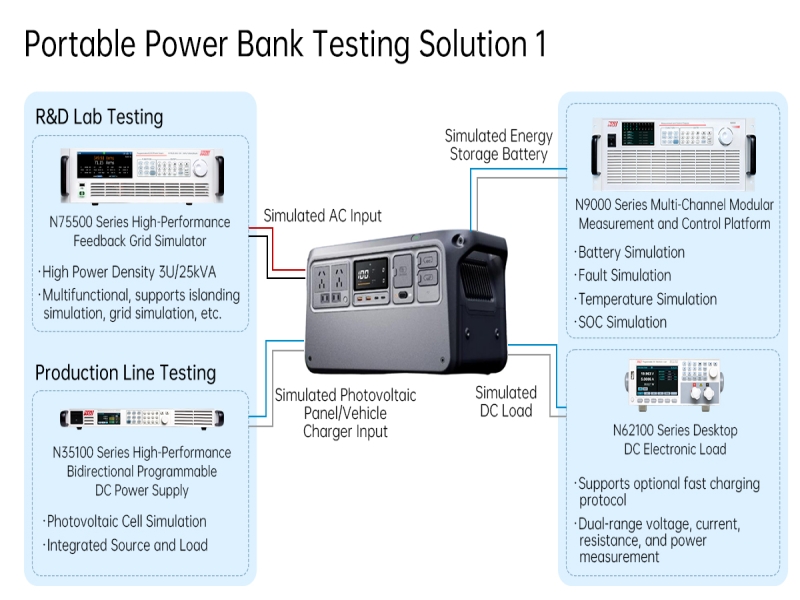
When looking for a high-quality power grid simulator , there are a few key things to keep in mind. First, the simulator should be user-friendly. This means it should be easy to understand and operate, even for someone new to power systems. It should have clear instructions and a simple interface. Next, check if the simulator offers realistic scenarios. A good simulator should mimic real-life situations that power equipment might face. This helps testers see how equipment will behave in different conditions. Also, make sure the simulator is adaptable. Power systems can change, and the simulator should be able to keep up with those changes. This adaptability is essential for long-term use. Moreover, consider the technical support offered by the company. Having help available when you need it can make a big difference. Lastly, look at reviews and ratings from other users. Hearing about their experiences can guide you in choosing the right simulator. At NGI, we focus on these aspects to create effective and reliable power grid simulators that meet the needs of our customers.
How to Use a Power Grid Simulator for Testing Grid-Connected Equipment
Using a power grid simulator to test grid-connected power equipment can be very effective when done correctly. First, start by setting up the simulator according to the equipment specifications. This means entering information about the equipment you want to test. Next, create different scenarios that the equipment might encounter, such as overloads or faults. This step is crucial because it helps identify weaknesses in the equipment. After setting up the scenarios, run the tests and carefully observe how the equipment reacts. It's important to take notes on any unusual behaviors or failures. This documentation will be useful for making improvements. After the tests, analyze the results. Look for patterns or issues that need addressing. This can help in making the equipment safer and more efficient. Finally, repeat the testing process after making any changes to the equipment. This helps ensure that the adjustments made are effective. By following these steps, you can maximize the benefits of using a power grid simulator. At NGI, we encourage our users to take full advantage of our simulators to enhance their testing procedures and improve the reliability of their power systems.
Where to Source Affordable Power Grid Simulation Equipment for Your Needs
Finding the right power grid simulation equipment can be a bit tricky, especially if you want it to be affordable. One good place to start is by checking local electronics stores. Many of these stores sell basic equipment like power supplies and testing tools that you can use to simulate a power grid. Another option is online shopping. Websites often have a wide variety of equipment, and you can compare prices from different sellers to find the best deal. Don't forget to look for sales or discounts, as many websites offer these occasionally. You can also join online forums or groups where people discuss battery simulator test equipment simulation. Sometimes, members sell their used equipment at lower prices, which can save you money. You can also ask your friends or teachers if they know anyone who has simulation tools they don't use anymore. Lastly, consider reaching out to our company, NGI. We offer a range of affordable equipment designed for learning and testing power grids. By exploring these avenues, you can find the equipment you need without breaking the bank.
What Are the Advantages of Using Power Grid Simulators in Wholesale Transactions?
Using power grid simulators in wholesale transactions has many advantages. First, they help businesses understand how their equipment will work before they buy it in large amounts. This is super helpful because it can save a lot of money. If a company buys 100 pieces of equipment and finds out later that they don't work well together, it can lead to big losses. By using a simulator, they can test everything first. Another advantage is that simulators can help in training staff. When workers know how to use the equipment properly, it makes the whole process go smoother. This means fewer mistakes and better performance in real-life situations. Simulators let companies test out new products before releasing them. They can check how well the ideas work and fix any issues early. Power grid simulators also improve safety. By testing equipment in a virtual setting, businesses avoid real-world risks. NGI offers tools that support all these advantages, helping companies perform better and stay safe.
Common Mistakes When Using Power Grid Simulators and How to Avoid Them
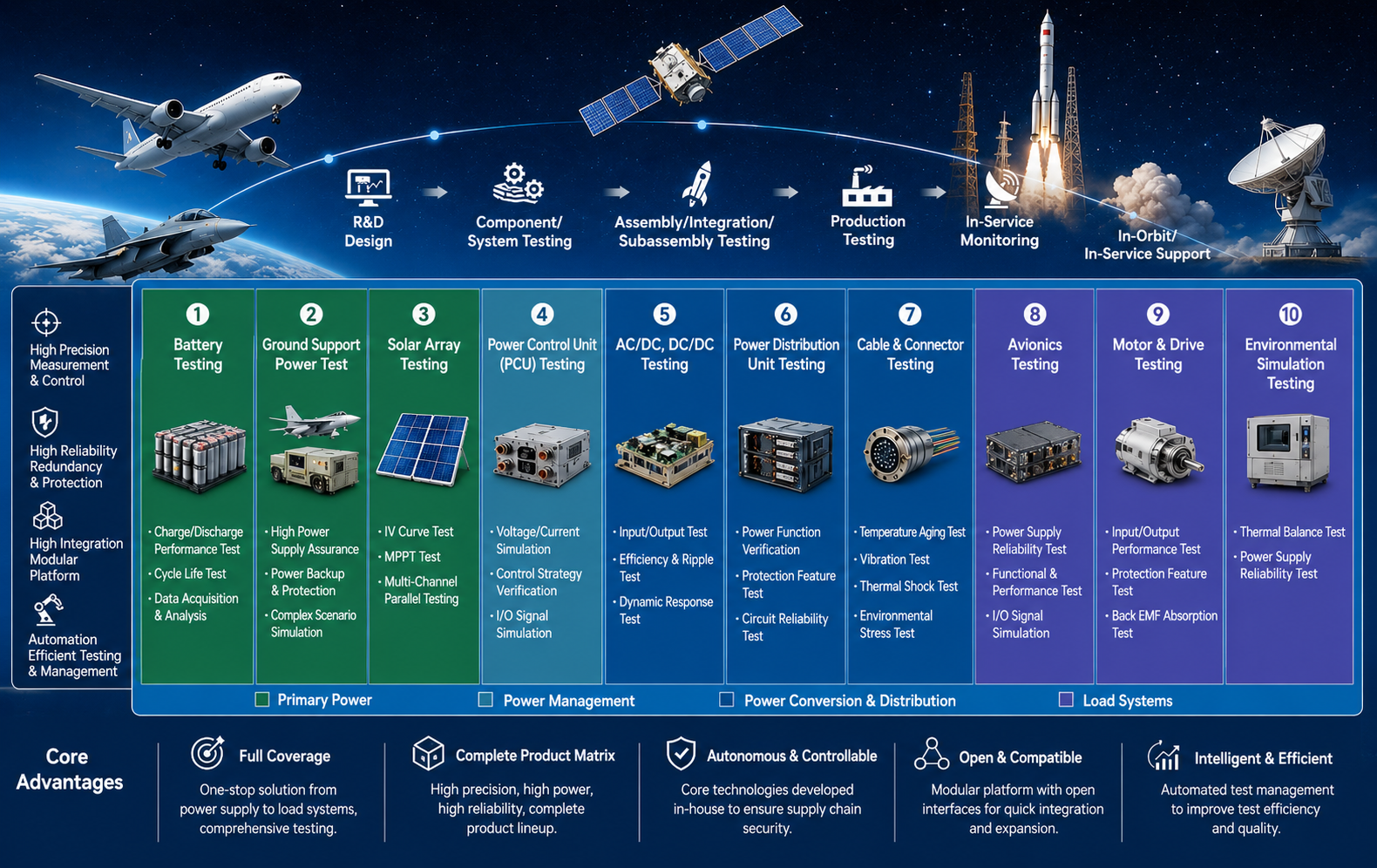
While using power battery simulator is very helpful, there are some common mistakes that people make. One mistake is not using the simulator correctly. Sometimes, users skip important steps or don't follow the instructions. This can lead to inaccurate results. To avoid this, always read the manual carefully before starting. Take your time to learn how the simulator works. Another mistake is not checking the settings. The simulator might have different options, and if you don't choose the right ones, the results won't match real-life situations. Before you run a simulation, double-check that everything is set up correctly. A third mistake is not taking notes during the simulation. It's important to record what worked and what didn't. This way, you can learn from your experience and improve next time. So, keep a notebook handy while running your tests. Lastly, some users forget to review their results. After a simulation, always take time to analyze what happened. Look for patterns and think about what you can do differently next time. At NGI, we encourage you to be careful and thoughtful while using our simulators. By avoiding these mistakes, you can make your simulations more effective and helpful.
Table of Contents
- Key Features to Look for in a High-Quality Power Grid Simulator
- How to Use a Power Grid Simulator for Testing Grid-Connected Equipment
- Where to Source Affordable Power Grid Simulation Equipment for Your Needs
- What Are the Advantages of Using Power Grid Simulators in Wholesale Transactions?
- Common Mistakes When Using Power Grid Simulators and How to Avoid Them
NGI is a professional provider of electronic circuit and measurement and control technology solutions.